← All Races
The Lohanar
The People of Accord
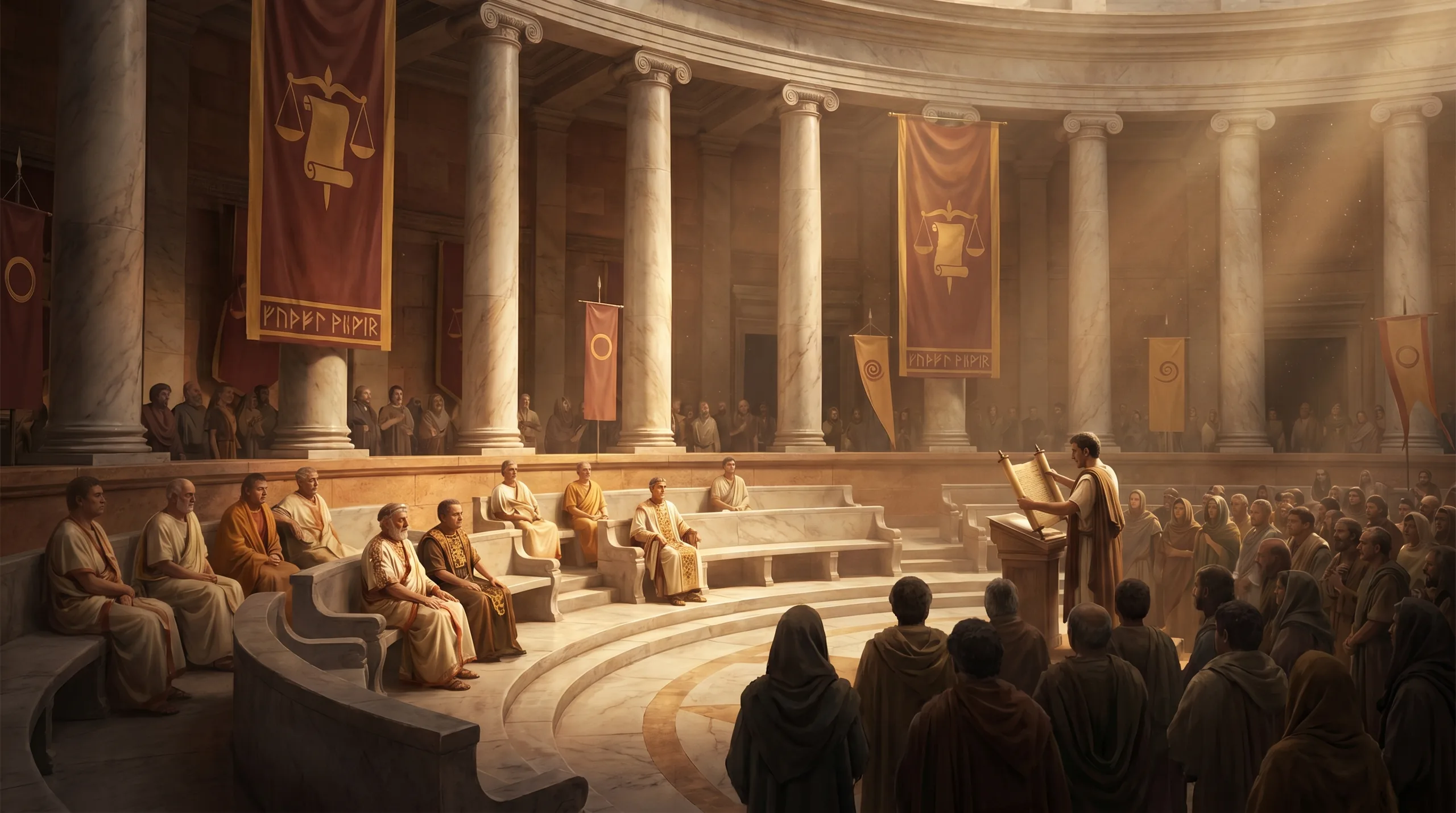
In the harbour-cities of the southern coast, a contract is sworn before it is signed, and an oath spoken before the law binds more surely than any blade. These are the Lohanar — the people of accord, who built a civilization not upon the strength of one ruler but upon the patience of many in agreement. Where their southeastern kin raise the spear and the altar-flame, the Lohanar raise the forum and the archive. They are humankind's jurists and merchant-princes, the keepers of charter and court, and they hold to a single conviction passed down through fifteen centuries of compacts and assemblies.
By accord, not by sword, the Lohanar say — and they have made a whole world of those four words.
Children of the Renewal, Heirs of the Southern Sea
Like all the Elekoi, the Lohanar descend from the Elehath, the winged celestials who fled a lost world beyond the stars and came down to young Kworgale in great crystal ships. In the event the histories call the Great Renewal, most of those immortals chose to set aside their old memory and be reborn as mortals — and from that choosing came humankind, gifted by the Ruby the bloodline-schema of Klerosia. For five hundred years the peoples dwelt together in the Ur-City of Vadesh, and there, the Lohanar say, their first ancestors were not the war-captains nor the priests but the keepers of the council-records: those who learned that a city of equals must be ruled by procedure or not at all.
When the Fivefold Fleets dispersed the Elekoi across the continent some fifteen centuries ago, the Lohanar took the southern shore — the temperate middle coast between the fiery southeast and the storm-grey southwest. They came not as conquerors but as charterers, founding each settlement upon a written compact before the first stone was laid.
A city begins, runs an old Lohanar maxim, not when the walls rise, but when the charter is read.
Cities of Pale Stone and Open Forum
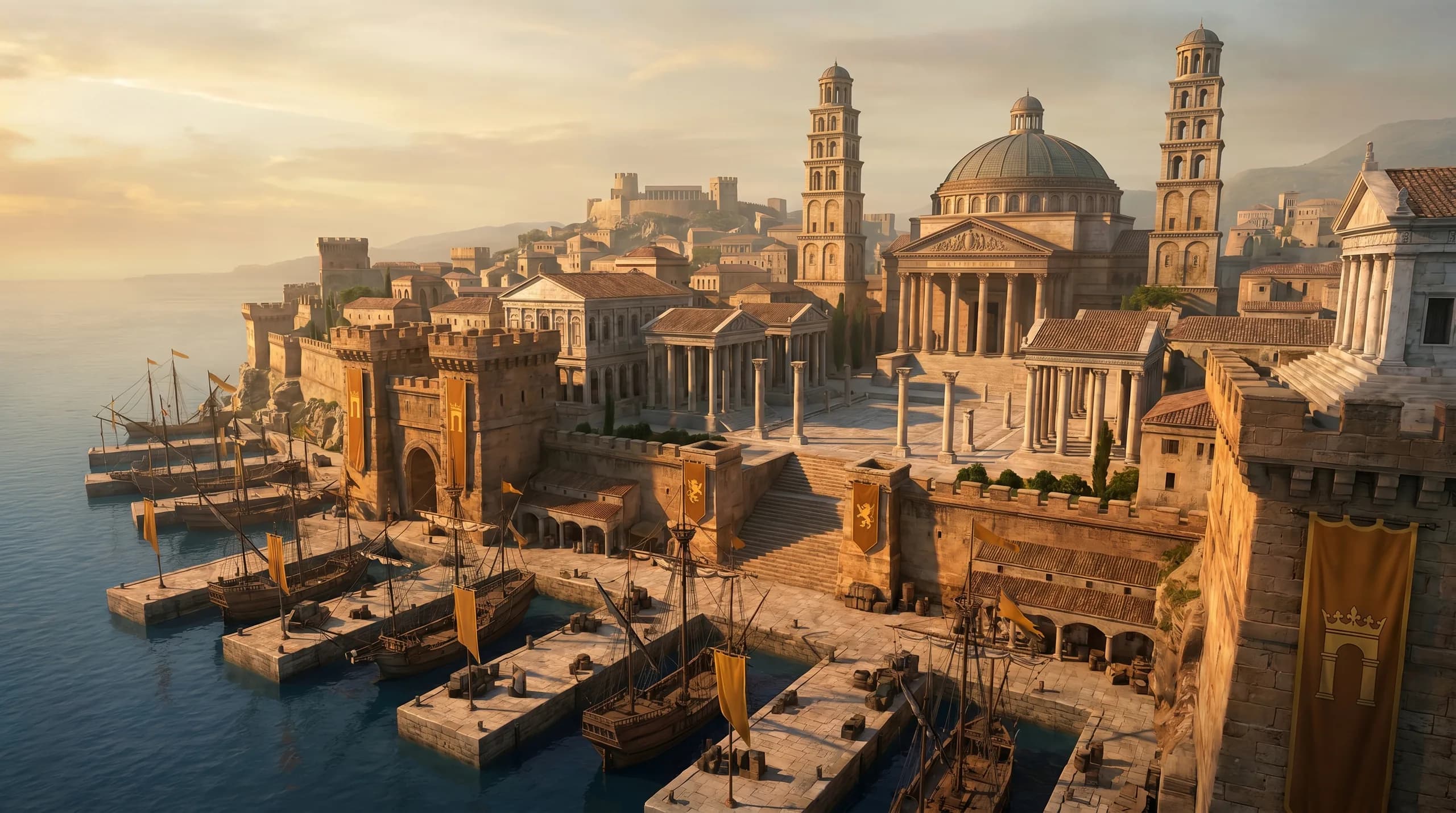
The Lohanar homeland is a coast of bright harbours and bronze light. Their cities are built of pale marble and warm sandstone, ringed by colonnades that throw long shadows across paved forums, their skylines crowned with the slender towers of archives and the broad domes of law-courts. Down to the quays come the merchant fleets of a dozen leagues, their hulls heavy with grain, oil, dyed cloth, and minted coin, their masts bright with the heraldry of compacts and banking houses.
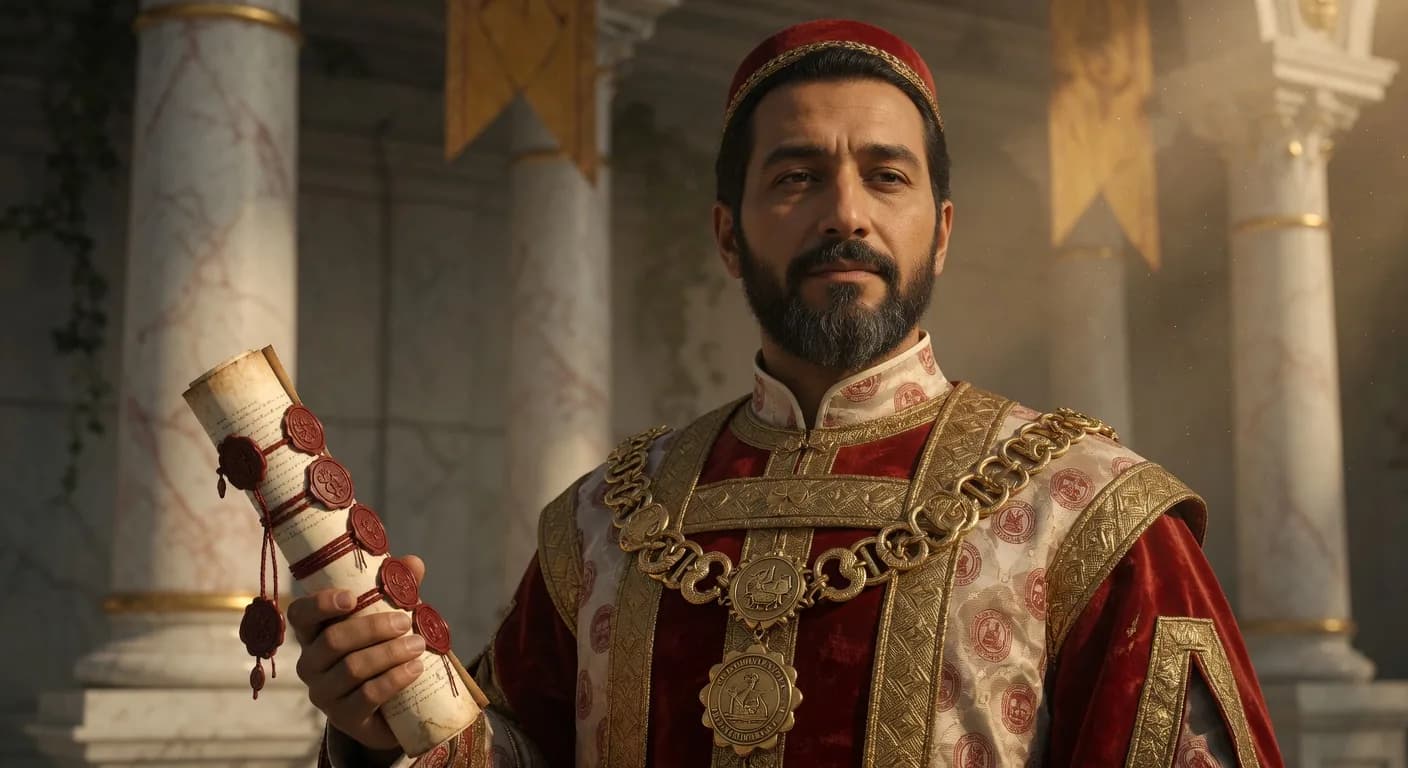
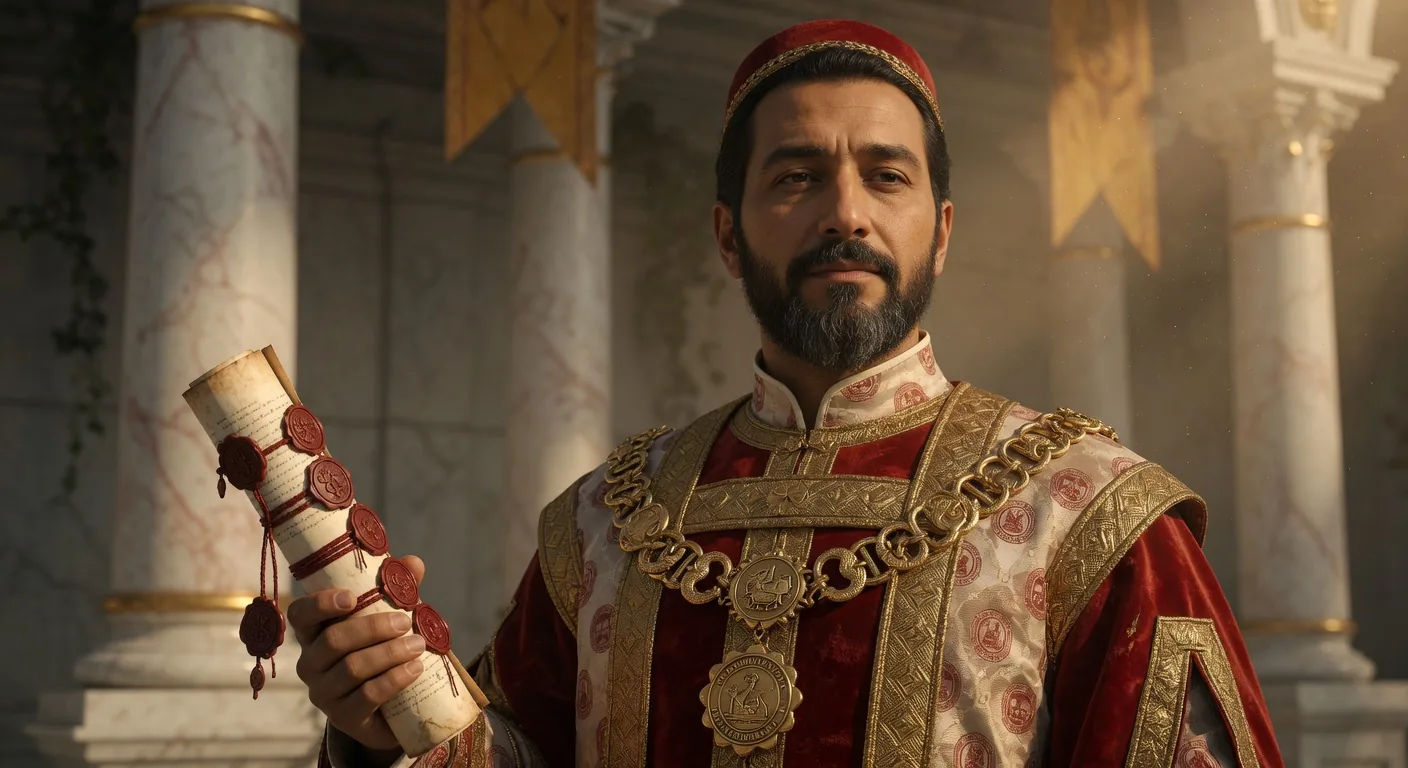
A Lohanar is, above all, urbane. Their look is southern and cosmopolitan — olive-to-bronze skin warmed by the sea-sun, dark hair worn well-kept, eyes most often dark or hazel. They dress for the public eye in fine civic raiment, the cut and colour of a robe announcing one's guild, court, or office as surely as any name. To be poorly turned-out in the forum is, to them, a small dishonour; to be eloquent there is the highest art a citizen may master.
The Charter Held Sacred
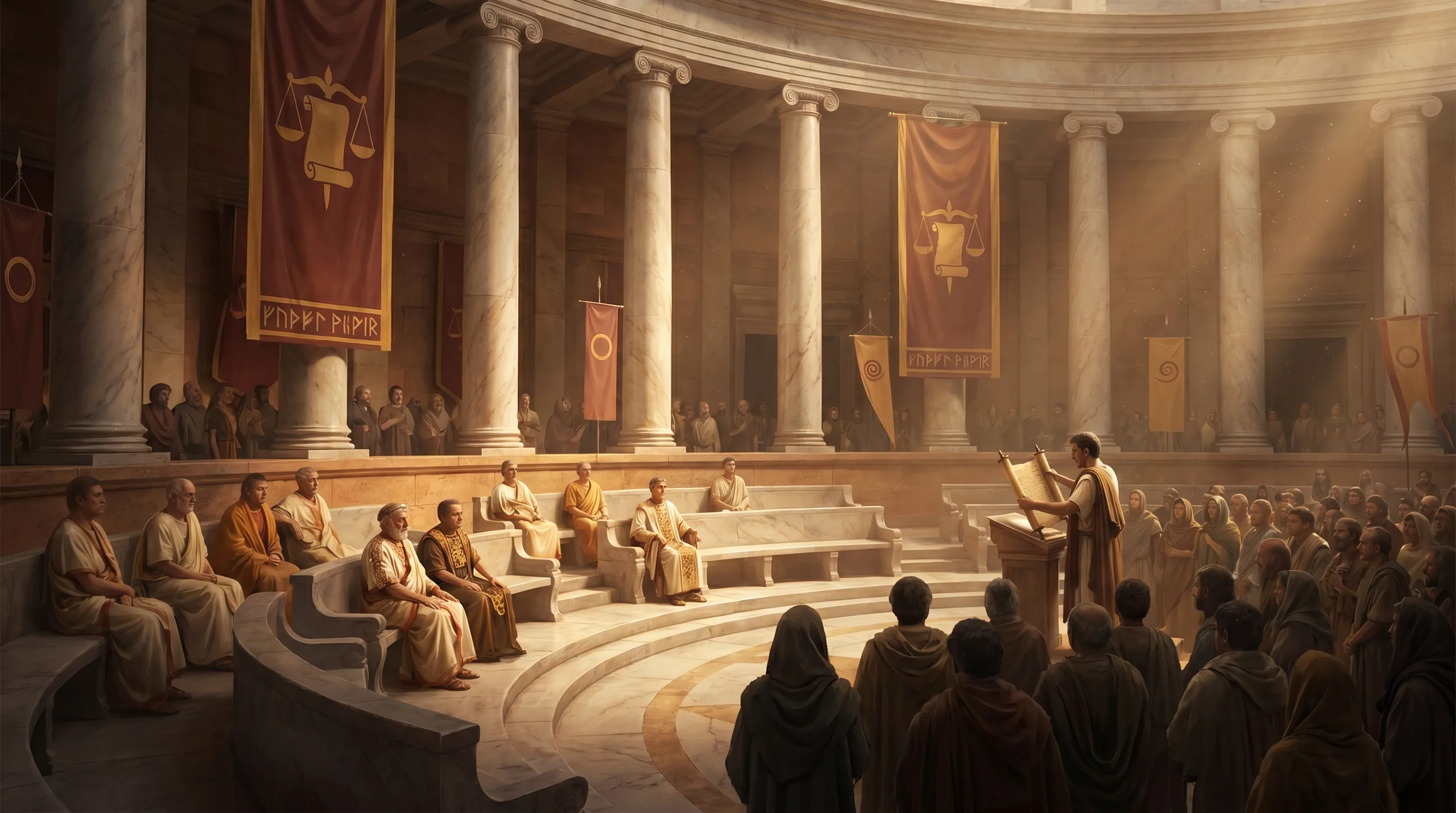
No people of Kworgale loves order as the Lohanar love it. To them, lawful procedure is no dry formality but a technology against hubris — the hard-won machine by which a free people governs itself without waiting on an Elder's hand. Their cities are knit together by leagues and compacts, ruled by elected assemblies, presided over by magistrates and jurists, and bankrolled by the great houses of finance whose ledgers reach every coast. Power among them is divided, debated, written down, and renewed; the merchant-prince who would be tyrant finds himself bound a hundred ways by charters his own grandfathers swore.
This is a disciplined, schooled, lawyerly people. They prize the orator and the arbiter, the careful clerk and the shrewd factor. Disputes that elsewhere end in blood, the Lohanar end in court — and a judgment honoured is, to them, a small victory of civilization over the long fall the world endured.
Let the scales decide, they say, for the sword decides nothing but who buries whom.
The Disciplined Art
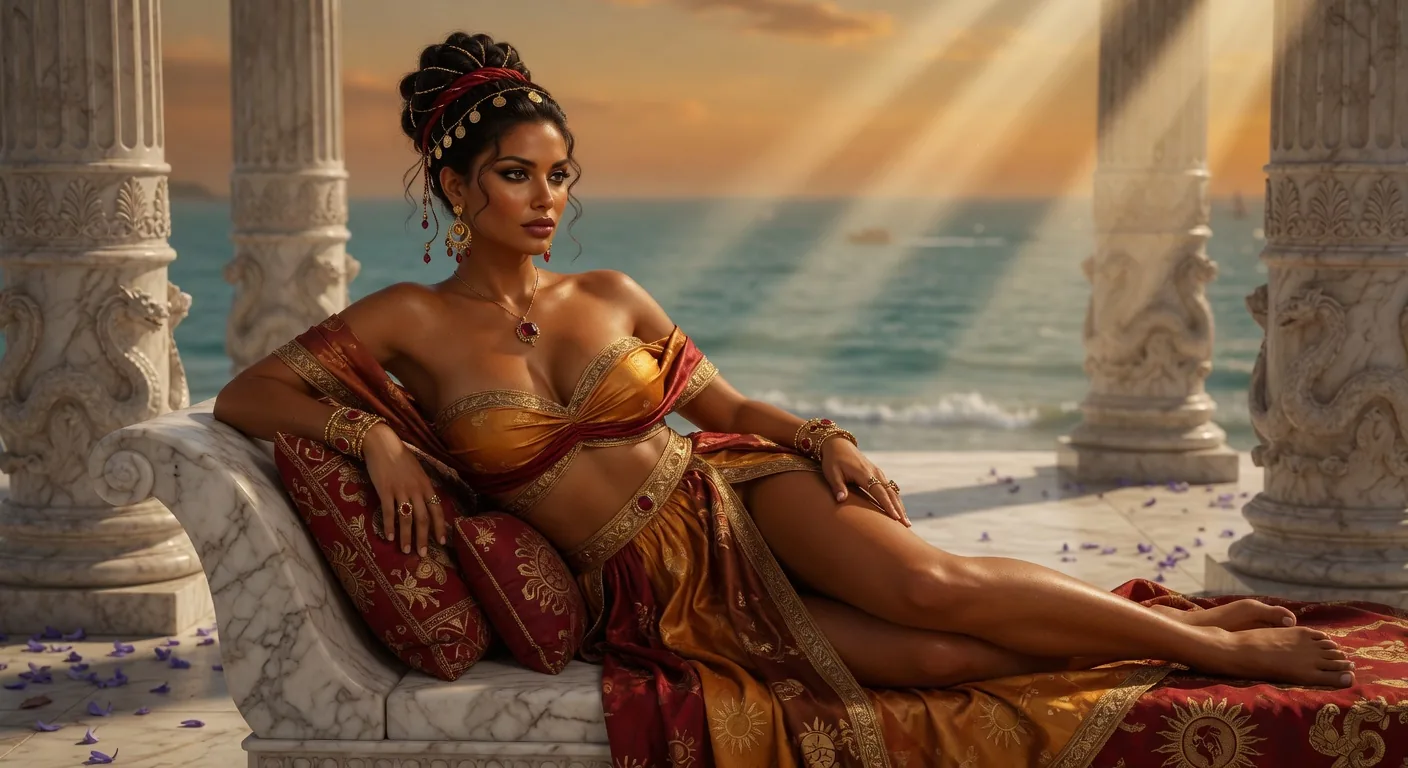
The Klerosia that the Ruby gave to humankind runs in Lohanar veins as it does in all human bloodlines — the inherited gift of fire, the warm red schema of the Ruby's people. Yet the Lohanar wield it after their own fashion. Where their warlike kin trust the raw inheritance of blood and the fierce talent born to a great line, the Lohanar trust the institution. Their thaumaturgy is practised through guilds and academies, certified by examination, governed by compact, and taught from written codices rather than by lineage alone.
A Lohanar thaumaturge is licensed before practising, indentured to a guild, and answerable to a college of peers. Their fire tends to the measured and the useful — the kindling of forge and lamp, the warding of ships and ledgers, the disciplined arts of the civic workshop — rather than the blazing martial sorcery of the warlike east. It is, like everything they make, a thing of procedure: power tempered by accord.
A Piety of Order
The Lohanar honour the Elders, as all the Elekoi do, but their faith is measured and ceremonial rather than fervent. They keep the Ruby in her gentler faces, the hearth-mother of family and freedom, and they pour their deepest reverence into the rite itself — the oath sworn before the law, the civic festival that renews a charter, the solemn ceremony by which an assembly is seated or a magistrate invested. Theirs is a piety of order and accord, congenial above all to the harmony of the Ancient Deity, whose colour of gold gleams in many a Lohanar court.
To swear before the law, for a Lohanar, is to swear before something near to the divine; to break such an oath is the gravest of impieties. In this they believe themselves not faithless but faithful in a quieter key — a people who learned, in the long rebuilding after the Conflagration, that when the gods withdrew, it was law that held the world together.
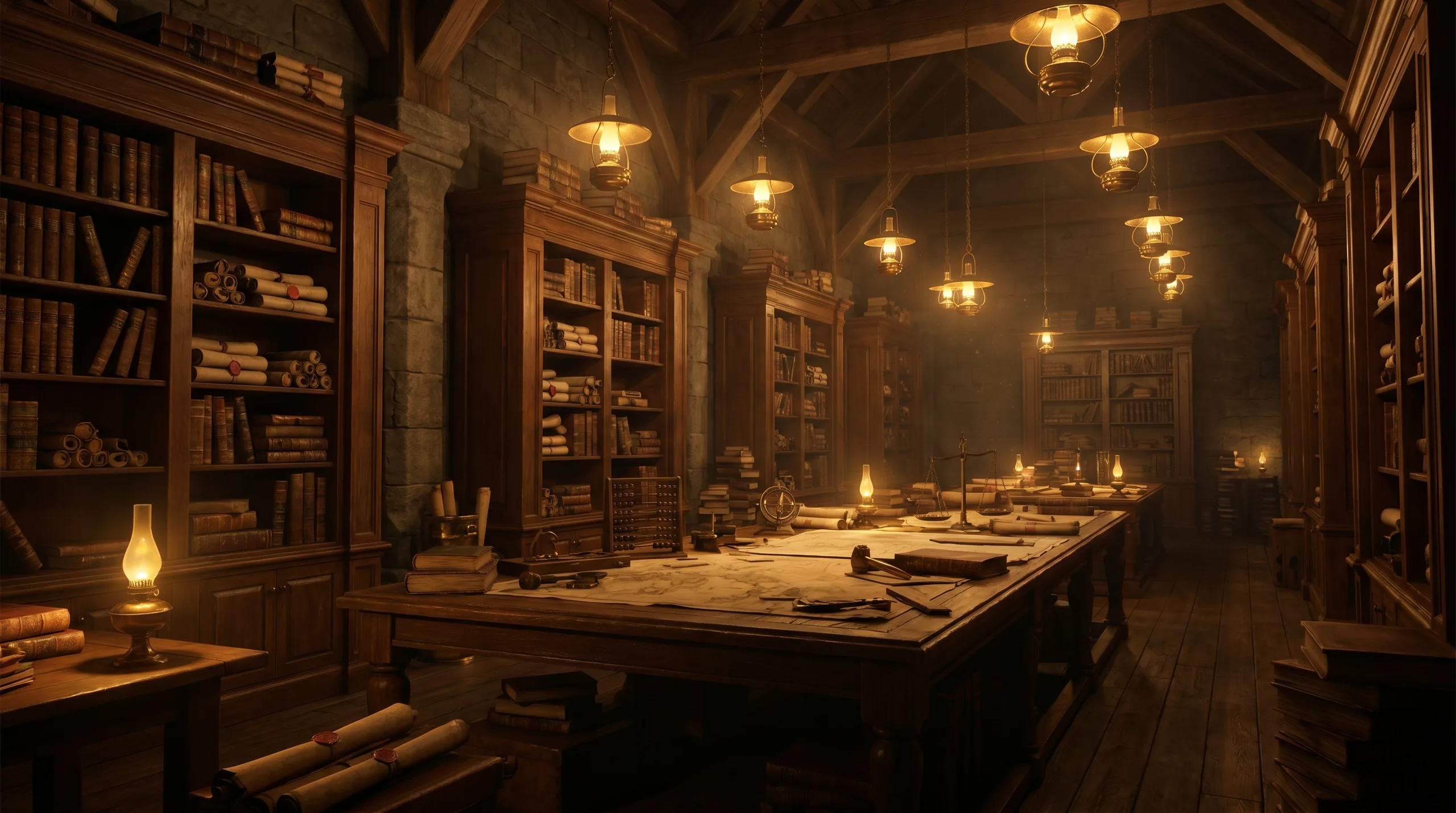
The Elders gave us fire, the Lohanar teach their children, but the charter we gave ourselves.